By C.R. Luismël
I must have been six or seven the first time I saw this movie — a film full of Fantasia, cowards, heroes, and bullies. I was too young to truly understand its message, but I loved it: the characters, the details, the atmosphere. And because I saw it at such an early age, it took me years to realize what was actually going on.
That’s the thing: when you learn something as a child, it tends to become law. You don’t question it — it’s just how the world works.
The NeverEnding Story – Part 1
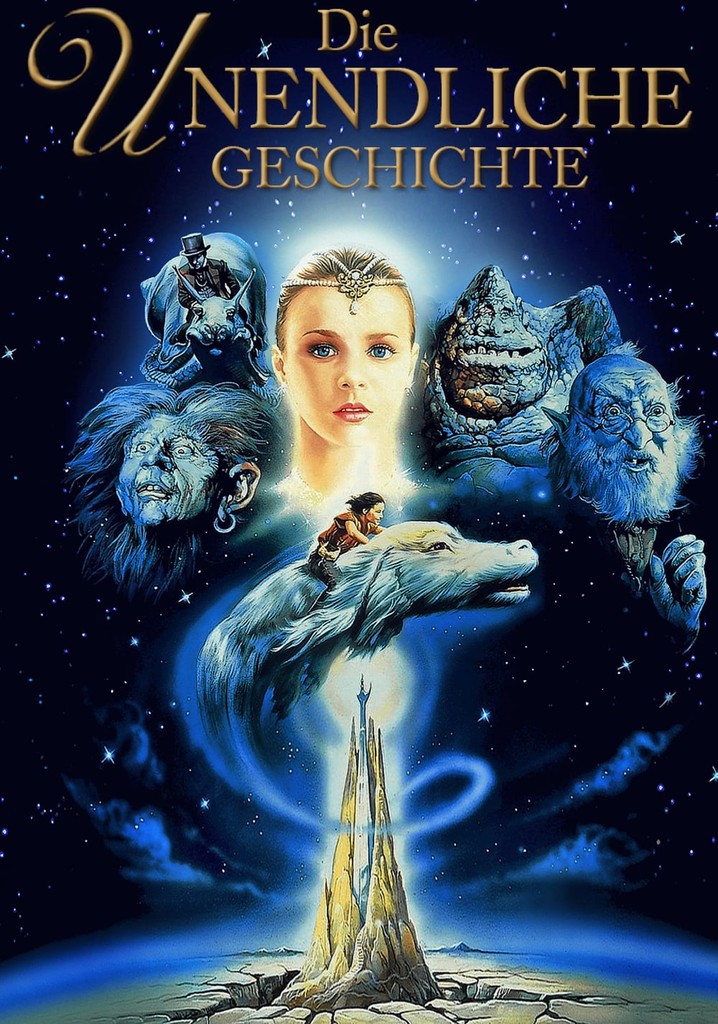
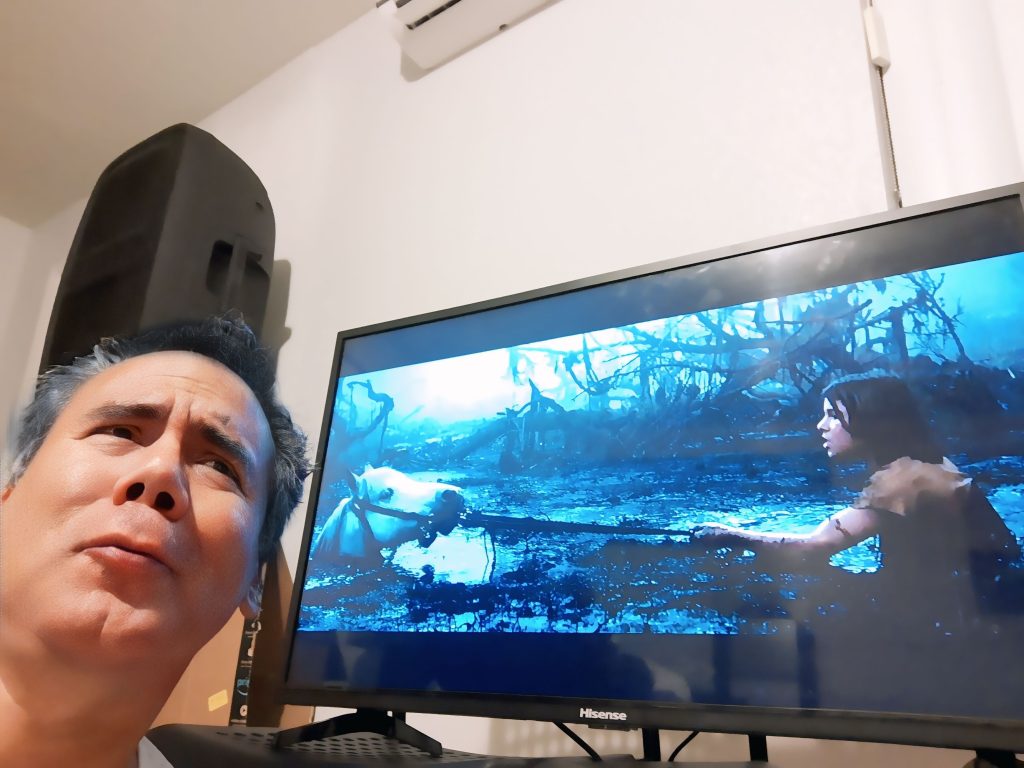
Watching our hero Atreyu suffer the loss of his horse, Artax, left one of the saddest impressions in my subconscious — as I’m sure it did for many of my generation.
Seeing Bastian being bullied and unable to defend himself was deeply frustrating. I didn’t realize until later that my own childhood story wasn’t far off — surrounded by tough situations and other kids who weren’t always kind.
Falkor, the luck dragon, stirred a mix of fear and wonder in me. But the biggest question I had was: why isn’t Bastian’s father out looking for him? Calling the police? Organizing a search party? His son was hiding in a locked school reading a book for what felt like forever! That idea used to give me goosebumps… and honestly, it still does.
And the Childlike Empress — divine, radiant, mesmerizing. I was too young to think of anyone as a crush… yet.
In any case, I could watch that movie over and over without ever truly grasping it.
Part Two: Rejection and Reunion
Then came Part Two… and I immediately rejected it. It felt strange, off, even unpleasant. I never made it past the fifteen-minute mark.
I was around fourteen at the time. My first issue? That wasn’t the same Bastian. Or Atreyu. And the father looked more like a random guy from the corner store than the one from the first movie. And those grotesque monsters? I couldn’t stand them.
Even the Empress — although beautiful — was different. To me, they were all impostors. So for years, I stuck with Part One only.
If anything, I preferred watching Gremlins 1 and 2. At least those were fun.
Part Three: A 90s Story with Heart
I eventually heard about a Part Three, but I was living abroad and didn’t know much about it. I remember seeing the DVD cover once and thinking it looked like Saved by the Bell.
(Don’t get me wrong, I liked Saved by the Bell — but I was still craving The NeverEnding Story.)
The Awakening
I kept watching and recommending Part One, until one day I decided to break that mental block and dig deeper. I wanted to understand what “The Nothing” really meant — and why the story was called The NeverEnding Story in the first place.
Eventually, I got it.
Becoming a programmer helped: I already knew about null, void, and concepts like that. That formless, devouring Nothing… it was like a null value being garbage collected. When you work with code, you understand: what has no meaning or purpose simply disappears.
That changed everything. I watched the film again and again, discovering new layers each time. And then I decided to give the whole trilogy a proper chance. Turns out, Parts Two and Three have powerful messages too — you just have to approach them with different eyes.
Rediscovering Part Two
Despite the grotesque monsters and the evil queen, Part Two has something to say. It’s about living bitter and heartless — and what that really does to a person.
It reminded me of The Wizard of Oz, Snow White, and even those Japanese robot series from the 90s, like Jiban, a kind of eastern Robocop. A strange mix — but it made sense to me.
I didn’t like that Atreyu was defeated so easily by a confused Bastian. He was supposed to be a warrior! But I understood: the plot needed it. It served the story. Still, the film lacked the detail and fairytale quality of the first. It felt more modern, more Americanized… and very, very 90s.
Revisiting Part Three
Speaking of the 90s — let’s talk about Part Three. It was so 90s that I couldn’t help comparing it to Saved by the Bell, Step by Step with Suzanne Somers, and even Dinosaurs. Probably because they used Jim Henson’s animatronics all over.
Once again, all characters were played by different actors. The Empress felt more teen-like than childlike. The whole thing looked like a 90s sitcom — including a young Jack Black playing a very convincing bully.
But despite the chaos, the message was clear — and deeply emotional. It tackled an issue that began to surface in that era… and has only grown more urgent today. I won’t spoil it, in case you haven’t seen it yet.
One thing I loved were the German details: BMW cars, a Lufthansa airplane, little nods to the story’s roots. Michael Ende’s original book was written in German, and I appreciate that they honored that — even if Parts Two and Three were otherwise very American.
Small Disappointments
There were some changes I didn’t love. For example, Engywook’s wife looked totally different. I thought he had remarried! But no — he still called her “Wench,” just as always. And the Rock Biter? He was completely redesigned!
I forgave it, though… because they played Born to Be Wild by Steppenwolf. That helped.
Final Thoughts
Now I can finally say: I understand The NeverEnding Story. In a way, it grew up with me. And although I kept trying to hold on to the first part’s magic, I had to grow too — and open my eyes to what came after.
Ultimately, the trilogy — with all its different directors, actors, styles, and eras — fulfilled its mission: it told me a story that, in the end, turned out to be my own.
A story that never ends — just like life itself.
Because the most important thing is to believe in yourself.
The most important thing is to never stop imagining.
Fantasia always finds a way to shape reality.
Some stories aren’t just watched — they’re felt.
This was one of them.
A story that goes on and on, it is your story, it is my story.
Just like life.
A real never-ending story. ❤️
—
CRLuismël
August 1, 2025
P.S. Did you know there are two different versions of Part One?
One has extra scenes. The other includes Limahl’s iconic new wave theme song, The NeverEnding Story.
Strange, right? 🙂