By CRLuismël
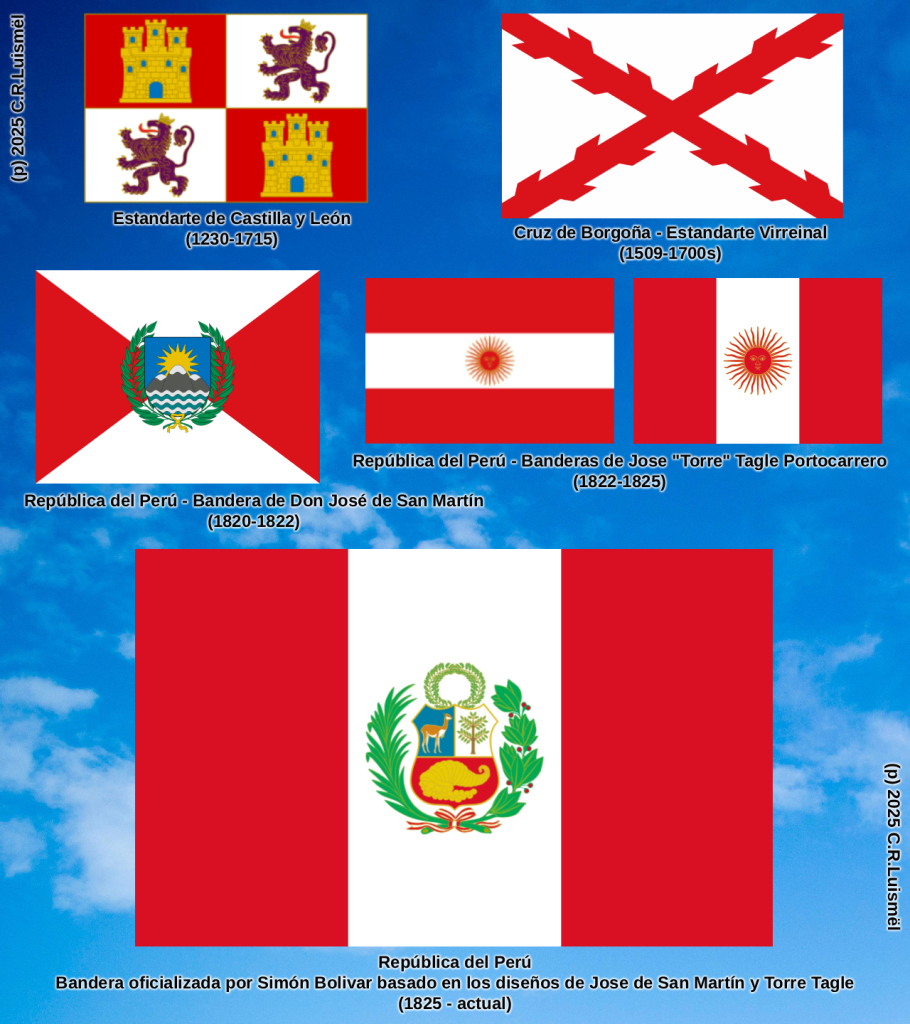
Every year on July 28th, Peru celebrates its independence—a moment not only to honor the birth of the Republic, but to ask deeper questions: What was truly gained? What was lost? And who truly benefited?
Change was inevitable. The Spanish Viceroyalty of Peru had lasted nearly 300 years. But independence arrived under foreign leadership, shaped by external alliances and interests. That process left deep divisions in our region—echoes that still reverberate across South America.
Some historians note that General San Martín had ties to British-aligned political circles. Britain, an adversary of the Spanish Empire and the Catholic Church, often supported independence movements—not necessarily out of solidarity, but to weaken Spain and expand its influence. The strategy of “divide and conquer” frequently served economic ambitions.
🔍 A Different Kind of Colonization
British colonies, such as those in North America, often grew from exclusion and exploitation. Settlers fled persecution, lived under rigid structures, and later fought for independence to forge a new path—the United States of America. Yet in Asia and Africa, Britain’s expansion brought war, poverty, and cultural disintegration.
In contrast, the Spanish presence in South America—while not free from injustice—also created cities, universities, and churches. Queen Isabel of Castile envisioned a mission of unity through faith. Many of our iconic public spaces today—plazas, cathedrals, schools—were built during that time, enduring as part of our shared identity.
⚔️ After Independence: Division and Conflict
Following independence, our newly formed republics fell into conflict. The War of the Pacific is one example—foreign powers profited from the division, selling weapons and controlling resources like saltpeter from abroad. Rather than unified nations, many emerged fragmented and susceptible.
Spain is still blamed for many of our challenges. But history is complex. External forces—economic, political, and cultural—also shaped the struggles we face today.
💬 My Personal Reflection
I stand with the sovereignty of Peru and its neighbors. A free republic is a noble achievement. And though Spain later pursued a different path—politically, spiritually, and socially—we must honor all chapters of our history.
We should not forget the thinkers, artists, and builders of the colonial era, nor those today who protect our values, faith, and culture from new forms of dominance.
🌟 A Nation With a Purpose
Peru is more than a place. It is a legacy—defined by strength, resilience, and spiritual conviction. As long as Peruvians uphold dignity, faith, and mission, our nation will never be defeated.
We are worth a Peru. Happy Independence Day. Long live Peru! 🇵🇪
C.R.Luismël
7/28/2025
🖋️ Author’s Note
This English version offers a concise reflection tailored for a general international audience. The Spanish version, however, explores the topic in greater historical depth and is directed more specifically to a Hispanoamerican readership.If you are a scholar or enthusiast interested in the finer details of South American independence and its broader cultural context, I warmly invite you to read the Spanish edition, here: https://blog.crluismel.com/es/reflexiones/reflexiones-independencia-peru/