A reflection on cultural integration
By CRLuismël
Article originally published on 10/12/2019, reviewed on 10/12/2025.
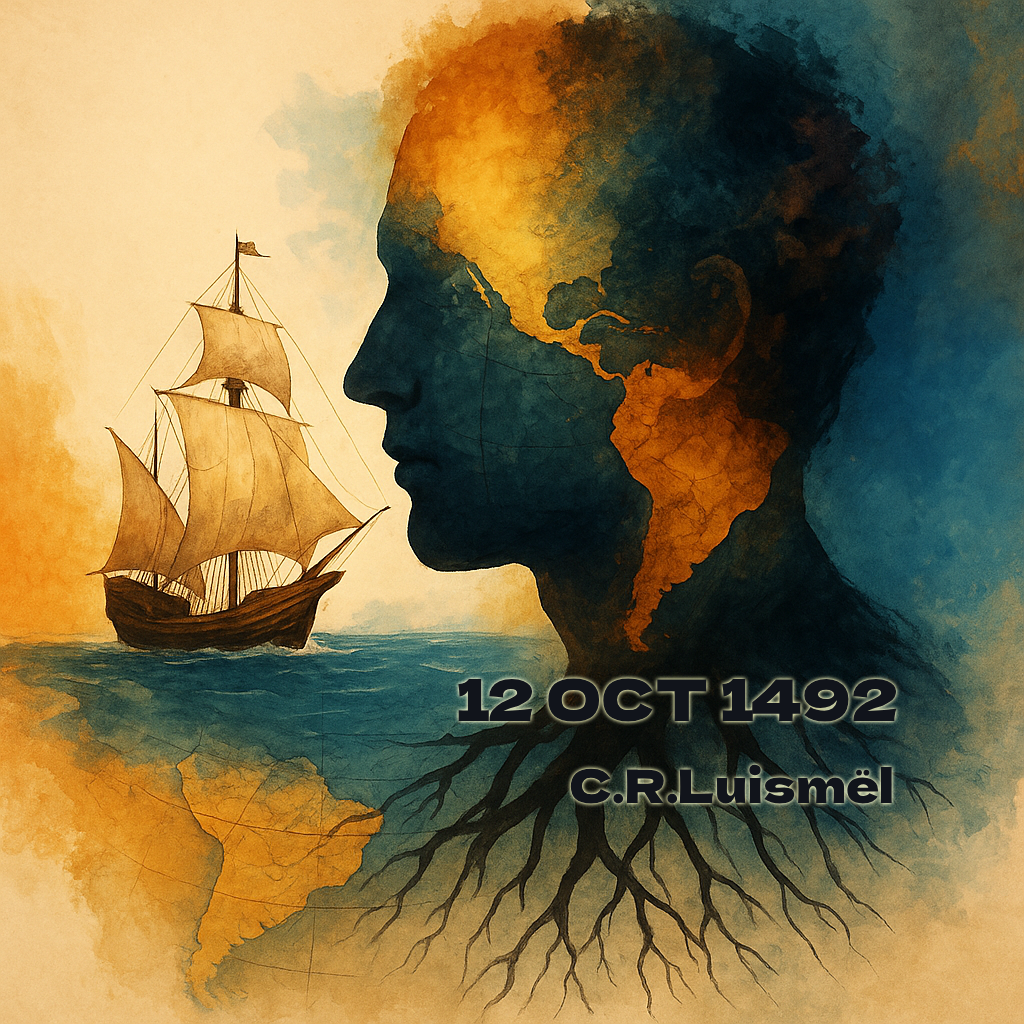
Every October 12 marks the commemoration of Christopher Columbus’s arrival in the Americas. Beyond controversy, this event represents one of the most consequential encounters in human history — the meeting and eventual fusion of two worlds that gave rise to a shared culture now spread across the globe. Its legacy can be seen not only in the physical traits of its descendants but also in the languages, architecture, gastronomy, economies, and creative spirit of the Americas.
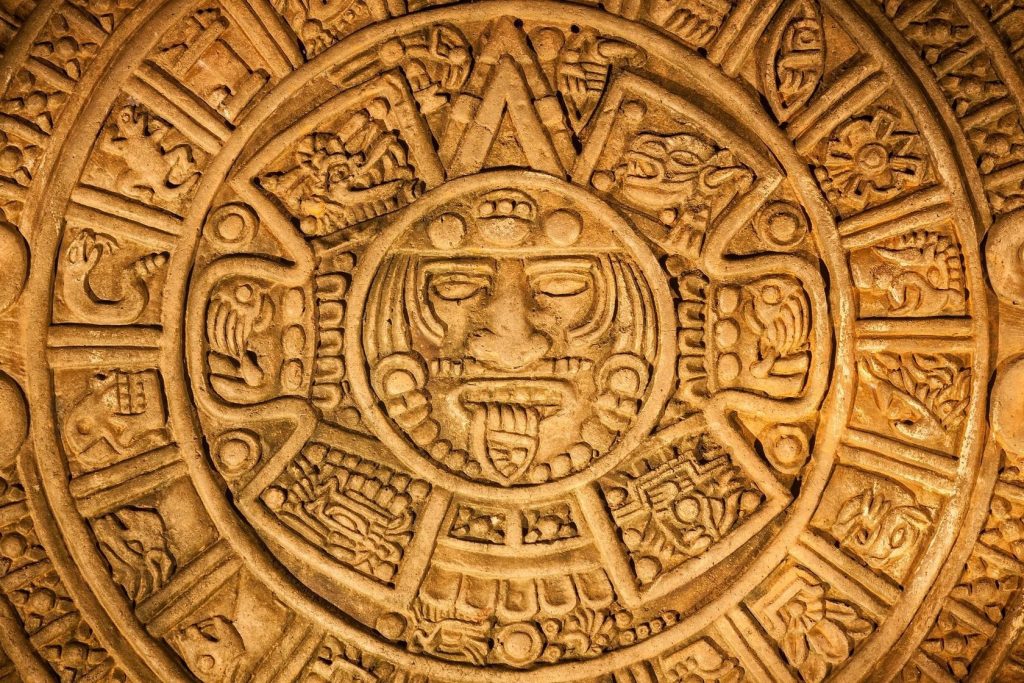
Each region of this vast continent tells its own story. In South America, for instance, advanced civilizations such as the Quechua and Inca were already well-organized and highly developed. The arrival of the newcomers brought conflict, yes, but also mutual adaptation — a process that, over time, created something new and undeniably rich.
Since the dawn of time, humankind has felt the urge to go beyond — Plus Ultra. That drive to explore and conquer is part of our nature. The same peoples who came to the Americas were once conquered by others; history is a never-ending cycle of encounters and exchanges that shape who we are.
I believe humanity’s long-term path is toward total fusion — not simple or painless, but inevitable. Even those who live far from cultural blending are touched by it indirectly: Europeans enjoying chocolate from the Americas, Americans savoring lemons of Asian origin. Without the “discovery” of the New World, there would be no ceviche, no pisco sour, and no French fries. Hard to imagine such a world.
That’s why it strikes me as ironic when people today reject October 12 solely as a day of mourning. Yes, there were atrocities — many, and unforgettable — but most of us are descendants of both sides. To despise one half of our lineage is to deny ourselves. It’s like a modern Spaniard resenting Italians for the Roman invasions of two millennia ago.
The goal is not to erase pain, but to learn from it. Not to glorify conquest, but to understand the synthesis it created. To embrace what was born from encounter, not to dwell on what was lost in conflict.
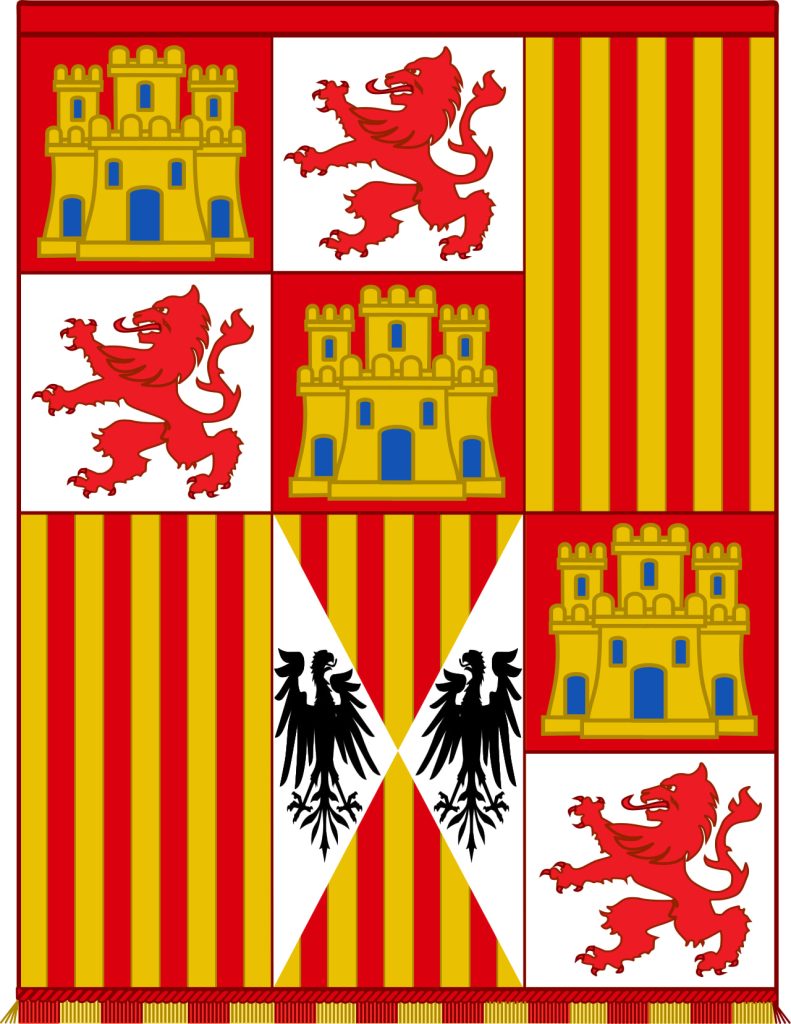
In Saint Augustine, Florida — the oldest city in the United States — the past is remembered with dignity. Cannons fire ceremonially at the old Castillo de San Marcos, followed by the words “¡Viva España!” — not as nostalgia, but as acknowledgment. It reminds us that history is a shared lineage of empires, colonies, resistance, and renewal — of natives, criollos, and newcomers learning to coexist and evolve together.
Long live October 12.
Long live the peaceful integration of humankind.
✍️
CRLuismël
Originally written October 12, 2019