Yesterday, June 27, I traveled through time.
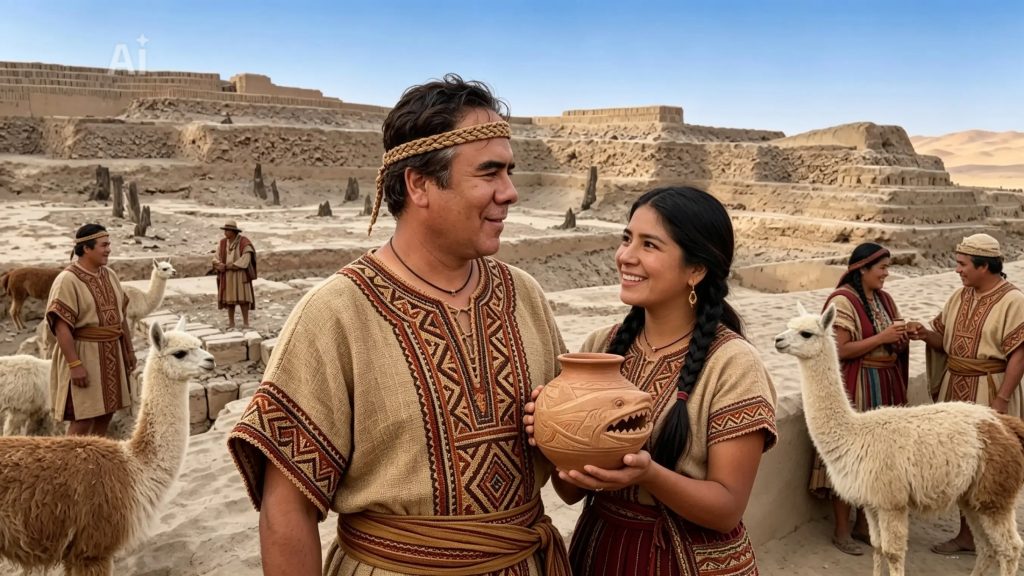
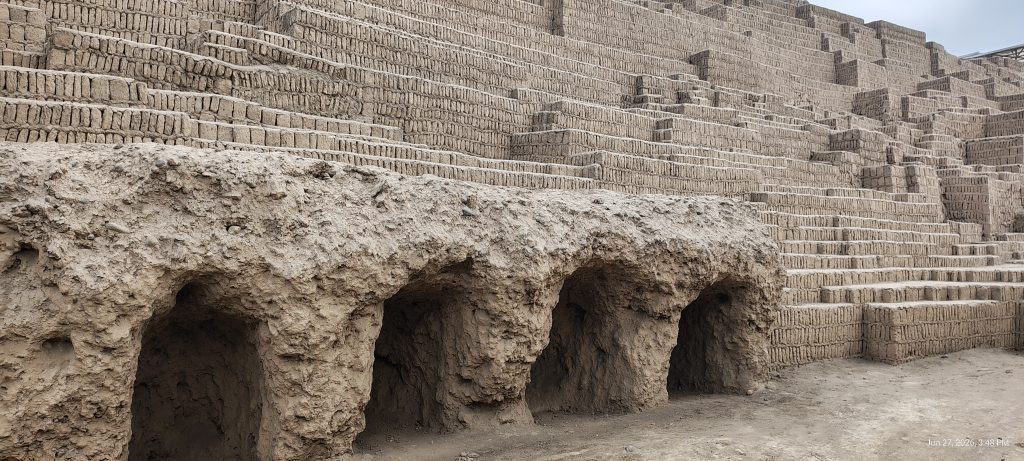
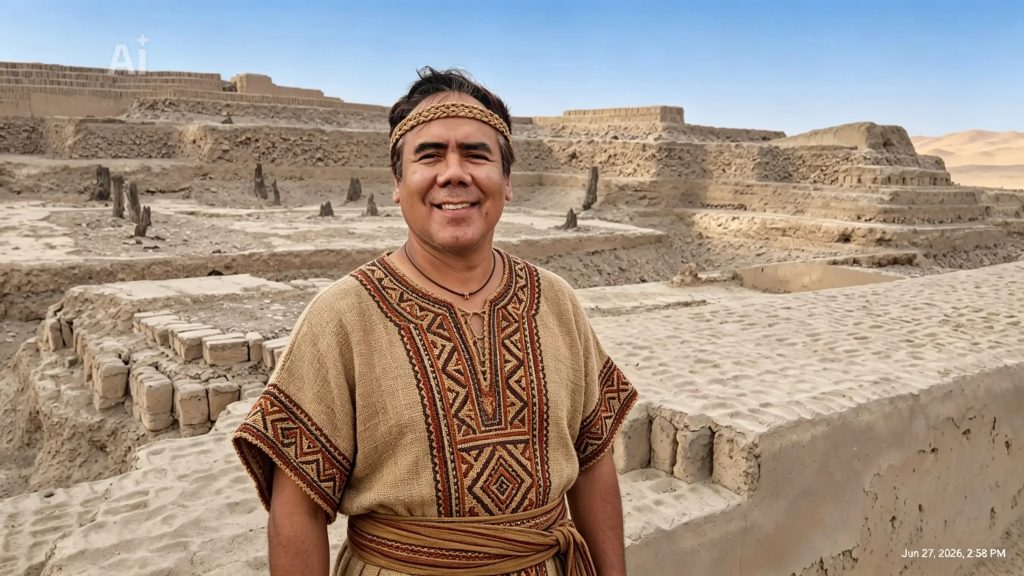
For a few unforgettable hours, I found myself somewhere around the fourth century AD, walking among the people of the Lima culture, predecessors of the Ichsma civilization, at the very place where, more than fifteen hundred years ago, they built one of the most important ceremonial centers on Peru’s central coast.
What I encountered was far more sophisticated than most people would imagine.
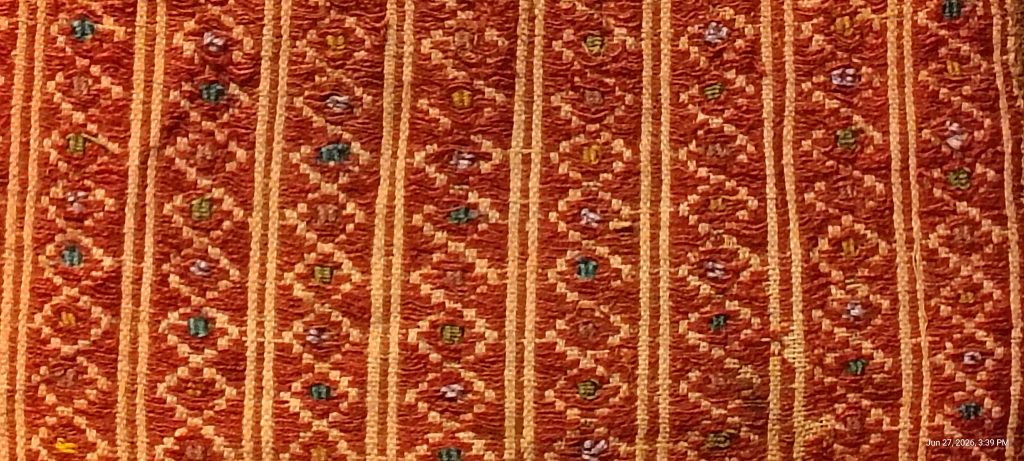
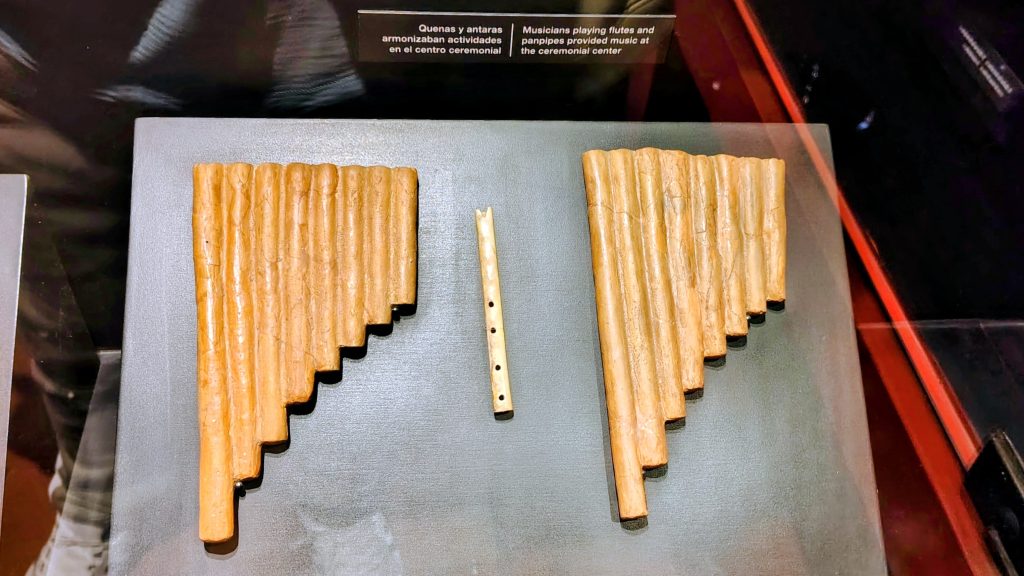
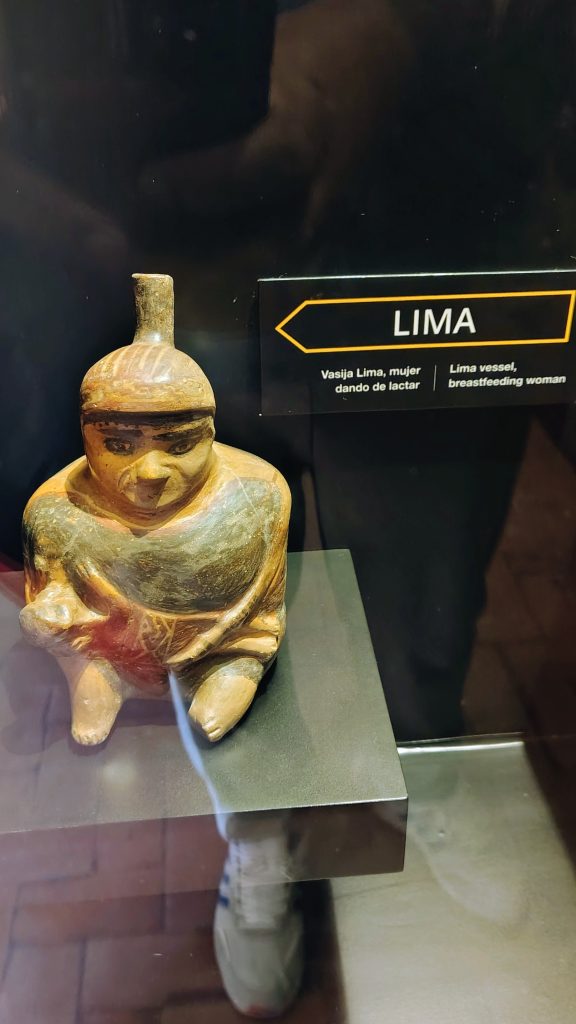
These were master builders who transformed adobe into monumental architecture. They cultivated cotton, mastered complex weaving techniques, shaped exquisite ceramics, crafted fine jewelry, created music, navigated the Pacific Ocean, and developed a rich spiritual world supported by political and religious institutions.
This was not a primitive society.
It was a civilization.
One detail fascinated me in particular.
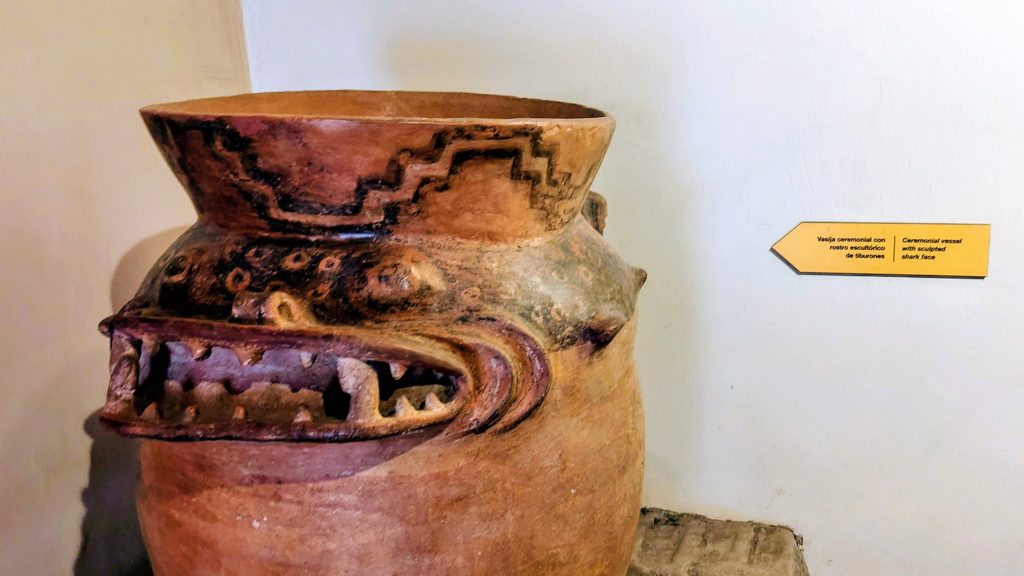
The shark—lord of the sea that sustained their lives—held a special place in their beliefs. It appeared in ceremonial pottery, sacred symbolism, and ritual life. Standing before those artifacts, I realized that even the creatures they feared and respected became part of their spiritual identity.
My deepest respect goes to the institutions preserving Huaca Pucllana, in the district of Miraflores, Lima, Peru. They are not merely protecting ancient walls; they are safeguarding humanity’s collective memory.
My sincere thanks also go to the multilingual guides, especially Miguel, whose passion transformed a museum visit into a journey across fifteen centuries.
I have always been fascinated by the past.
Perhaps because the present sometimes seems determined to forget what once made civilizations truly great.
At roughly the same time these people were flourishing on the Pacific coast of South America, other civilizations across the world were writing much of their history through wars, conquest, and military expansion.
Here, another story was unfolding.
A story of builders.
Of weavers.
Of navigators.
Of artists.
Of people who left behind temples, textiles, ceramics, and symbols that still speak after fifteen centuries.
Thank you, Lima.
Thank you, Ichsma.
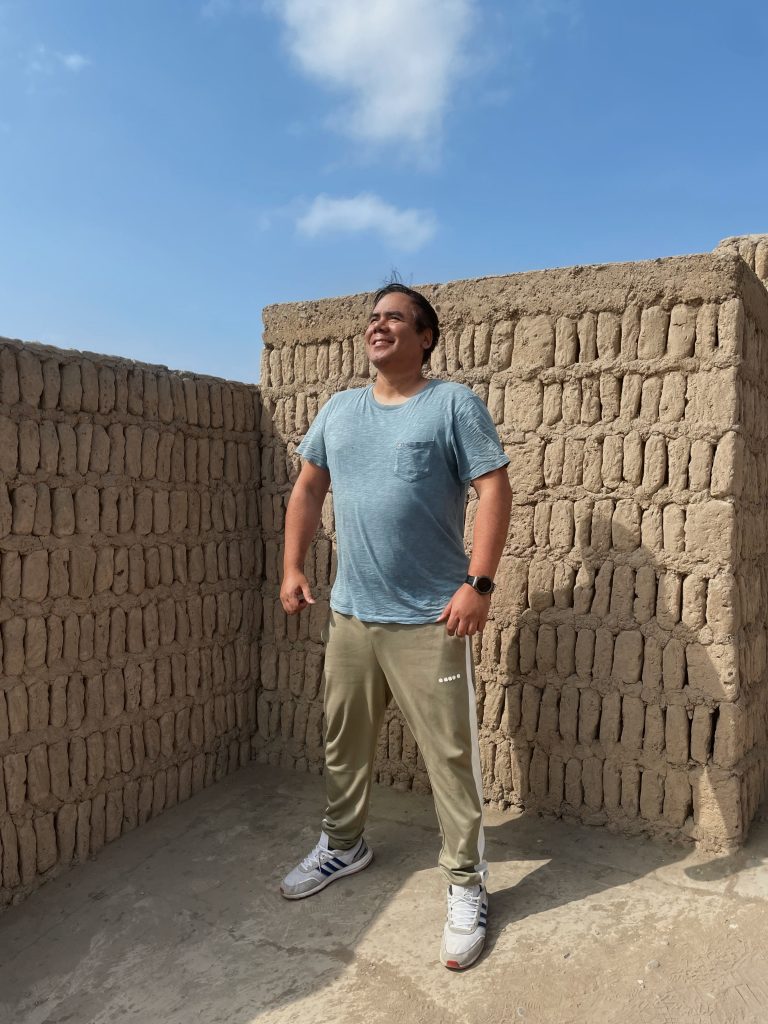
Thank you for the fingerprints still visible on your adobe bricks.
Thank you for textiles whose colors continue to survive against time.
Thank you for ceremonial vessels that still inspire questions:
What language did you speak?
How did your voices sound?
What songs echoed through these temples?
A people capable of designing monumental architecture, weaving sophisticated textiles, creating musical instruments, producing remarkable ceramics, and developing a coherent spiritual universe was anything but savage.
There was knowledge.
There was order.
There was beauty.
If those adobe walls could speak…
I believe they would still have much to teach us.
CRLuismël
Lima, Peru
2026 — Sixteen centuries later.